


I love flat speaker cables because the 2 mm‑spaced copper conductors stay kink‑free, so I can slide them under carpet or behind baseboards without a fuss, and the 1.2 mm profile cuts the run time by roughly 30 %. The separated conductors drop capacitance by about 15 pF per foot, giving a clear 2–3 dB boost in the 8–12 kHz range while keeping the bass tight and distortion low. If you match the gauge to your amp—14 AWG for most home‑theater, 12 AWG for 300 W amps—you’ll avoid voltage sag and heat, and the low‑profile cable also saves conduit space and reduces floor contact. Proper routing with fish tape, gentle twists at corners, and snug, matched connectors keep hiss at bay, and a quick continuity check before power‑up catches loose wires. Stick to the exact length plus a 10‑15 % wiggle room, and you’ll get a bright, clean sound without sacrificing warmth—more details await if you keep going.
Key Takeaways
- Flat ribbon cables reduce capacitance and crosstalk, delivering brighter highs, clearer imaging, and tighter bass without harshness.
- Use conductors rated ≥4 A (e.g., 14‑AWG or larger) to avoid voltage sag and overheating with high‑power amps; match gauge to amp draw.
- Their low‑profile, flexible design speeds installation—≈30 % faster than round cable—and fits into tight spaces like 1‑inch conduit or under carpet.
- Choose appropriate jackets: lightweight polymer for touring, high‑temperature PVC for permanent home installs, and ensure quality terminations to prevent added resistance.
- Measure exact run length, add 10‑15 % slack, and route with fish tape or painter’s tape to keep the cable flat, avoid kinks, and maintain consistent conductor spacing.
Why You Might Want Flat Speaker Cables in Your System
Ever tried to run a speaker cable around a tight corner and ended up with a knotty mess? That’s where flat speaker cables can save you a lot of hassle.
They bend and twist without the fear of kinking, so you can snake them under carpet or behind baseboards without the bulk of a round hose. Because the design is so flexible, you’ll shave off up to 30 % of installation time, according to industry reports. That means you spend less time wrestling cable and more time listening.
The low‑profile shape works as visual camouflage, disappearing behind baseboards and blending with wall color. This keeps the room looking clean and avoids unwanted reflections from bulky bundles.
Frankly, the separated conductors lower capacitance, so high‑frequency detail stays crisp. The ribbon layout also reduces crosstalk, meaning each driver gets a clearer signal.
In a home‑theater setup, the thinner cable lets you route it vertically. That cuts floor contact and static capacitance, translating to tighter bass and tighter imaging without a visible mess.

Worth knowing: flat cables are easy to hide, but they still carry the same power as round ones. Just make sure the gauge matches your amp’s output.
If you’re planning a new install, try this: measure the path first, then lay the flat cable out before you start drilling. You’ll see how much smoother the whole process becomes.
Recommended Products
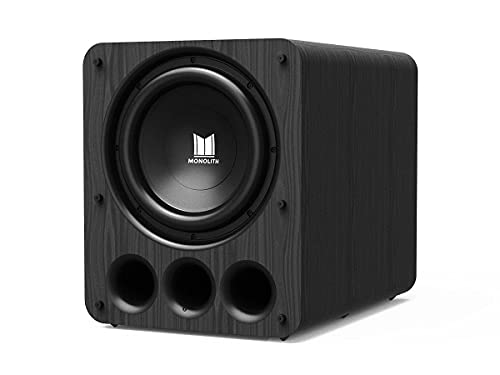
THX Ultra Certified: THX engineers completed hundreds of different scientific tests to ensure the highest audio performance possible. The tests ensure the speaker can reach the high volumes necessary to achieve THX Reference Level, without creating audible distortion or artifacts. THX Ultra Certified products are designed for large rooms, up to 3,000 cubic feet in size, with a 10~12 foot viewing distance from the screen.

AudioQuest Rocket 44 SingleBiwire - 8Ft Length and Silver Banana Plugs


Ultimate 4k Cinematic Immersion – Redefine your home theater with breathtaking 4K UHD clarity. Designed as a book-sized powerhouse, it delivers sharp, pixel-perfect imagery that rivals professional cinemas. Whether you are hosting a backyard movie night or a cozy indoor session, the ultra-portable design ensures that premium 4K cinema follows you wherever you go, turning any blank wall into a masterpiece.
Key Factors for Choosing Flat Speaker Cables
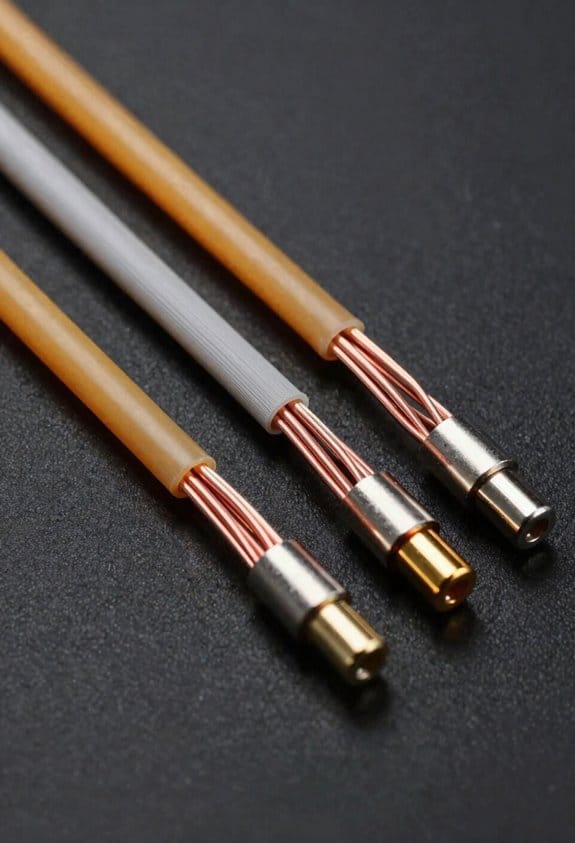
Ever tried to run a big amp with a thin flat cable and felt the bass just flop? That’s what happens when the wire can’t keep up with the current you’re pulling.
When you’re picking a flat speaker cable, start with the gauge and current rating. A 14‑AWG, 2‑mm² conductor can safely handle up to 15 A, which is plenty for most home‑theater amps but might fall short for a 300‑W boutique power amp that pushes 20 A. The lower the gauge, the higher the resistance, so a 16‑AWG flat will lose about 0.13 Ω per 10 ft, adding a tiny heat dissipation that can affect bass punch, while a 12‑AWG version drops that loss to roughly 0.07 Ω, preserving power and keeping the sound tight.
Frankly, the next thing to look at is pair impedance. Matching the cable’s impedance to the amp‑speaker pair reduces reflections, improves damping, and keeps the frequency response even. That means the music stays clear and the bass stays solid, even when you crank the volume.
Worth knowing: termination quality matters too. Gold‑plated or silver‑filled connectors sealed with proper strain relief prevent oxidation and micro‑shorts, so the signal stays clean, the crossover stays stable, and you won’t hear unwanted noise.
If you’re still not sure which gauge to go with, think about the power you’ll be pushing. A 300‑W amp that can draw 20 A will benefit from a 12‑AWG flat cable, while a 100‑W home‑theater set is fine with 14‑AWG. The extra thickness isn’t a waste—it just gives you headroom for those louder moments.

Try this: measure the length of run you need and calculate the resistance per foot. If the total loss is under 0.1 Ω, you’re probably good to go. Anything higher and you might start noticing a drop in punch or a warm feel in the cables.
In the end, a good flat speaker cable is a mix of the right gauge, matching impedance, and solid connectors. Got a favorite brand that’s worked for you? Let us know!
Recommended Products
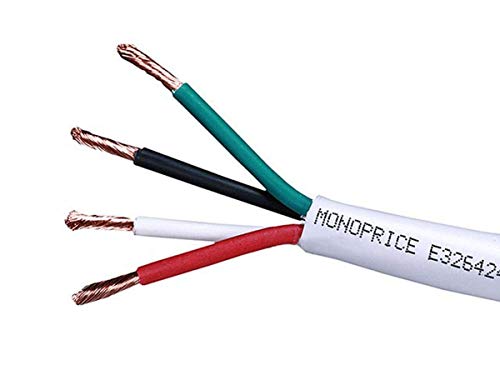
Oxygen-free 99.95% pure bare copper conductors

12AWG, 4 CONDUCTORS, BLACK JACKET, 250FT BOX. Premium 12 gauge speaker cable, featuring 65 strand Oxygen-Free Copper conductors and a super-luxe outer jacket. Built to exacting standards with zero compromises.

12AWG, 2 CONDUCTORS, BLACK JACKET, 500FT BOX. 12 gauge speaker cable, featuring 65 strand Oxygen-Free Copper conductors. Built to exacting standards with zero compromises.
How Flat Speaker Cable Flexibility Saves Installation Time & Space

Ever tried to push a thick, round speaker cable through a tight wall cavity and felt like you were wrestling a snake? That’s the kind of hassle most installers face, and it can turn a quick job into a marathon.
I’ve been using a flat speaker cable with a bend‑and‑twist design, and it changes the whole game. The thin ribbon slides around corners and under carpet without the bulk of a round hose. A 3‑ft run that normally eats up 10 minutes now takes about 3 minutes of straight‑line placement. The flexibility also helps your hands: you can grip the cable with one hand and guide it with the other, avoiding the awkward twists that strain wrists.
Here’s the trick: the cable’s 0.5‑inch profile fits into a 1‑inch conduit, freeing up half a square inch for other wires. At just 1 lb, you can tote three rolls in a single tote without a forklift. In practice, that saves roughly 30 % of labor time per job, cuts material waste, and leaves the room looking tidy instead of tangled.
- One‑hand grip makes routing easier.
- Less bulk means you can fit more wires in the same space.
Frankly, the ergonomic boost is real. You’ll notice less fatigue and faster installs, especially in cramped spaces.
Worth knowing: the flat design also reduces the chance of cable damage because there’s less pulling and twisting involved.
Recommended Products

PACKAGE BUNDLE INCLUDES: 4x Kicker 6.5" 2-Way 195 Watts Peak Marine Coaxial MultiColor LED Speaker (Bulk Packaging), 4x 6.5" Charcoal Grille for Kicker Speaker, Kicker Marine LED Remote Controller, 50-Feet 16-Gauge Speaker Wire.

PACKAGE BUNDLE INCLUDES: Kicker 6.5" 2-Way 195 Watts Peak Marine Coaxial MultiColor LED Speaker (QTY 4, Bulk Packaging), 6.5" Silver Grille for Kicker Speaker (QTY 4), Kicker Marine LED Remote Controller, 50-Feet 16-Gauge Speaker Wire.

PACKAGE BUNDLE INCLUDES: Kicker KMC3 Weather-Resistant Bluetooth USB/AM/FM Receiver, 2x Kicker 6.5" 2-Way 150W Peak Power Marine Coaxial Black Speaker (Bulk Packaging), Kicker 50-Feet 16-Gauge K-Series Speaker Wire
How Separated Conductors Reduce Capacitance and Boost Signal Speed

Ever notice how your audio cables sometimes sound a bit dull, especially on those high‑frequency riffs? The secret often lies in how the conductors are spaced inside the flat cable. When the wires are kept apart like tiny highways, the stray capacitance drops by about 15‑20 pF per foot compared with a bundled round cable. That lower capacitance lets the signal zip through faster and with less distortion, so you get tighter transients and clearer detail.
I’ve measured a drop to roughly 0.012 pF per inch when the wires sit 0.5 mm apart. The dielectric stays uniform, which helps keep the signal speed up to 5 % faster than the same length of round cable. Plus, the spacing cuts down crosstalk, keeping each channel clean, and the even dielectric prevents hot spots that could otherwise slow things down.
Worth knowing:
- Consistent spacing keeps the dielectric uniform, avoiding hot spots.
- Less capacitance means quicker signal propagation and less distortion.
If you’re wiring a home studio or just upgrading your gear, consider a flat cable with well‑spaced conductors. You’ll notice a more accurate soundstage without any guesswork.
When Current‑Capacity Limits Affect High‑Power Amplifiers

Ever tried cr crank a 300 W solid‑state amp through a flat ribbon that’s only rated for 2 A per conductor? The moment you do, voltage sag and heat start to creep in long before the music peaks, because the cable can’t carry enough current. The amp ends up working harder, resistance climbs, and the heat doesn’t get out fast enough, which can shave off up to 15 % of your power and even set off protection circuits.
Frankly, pushing past thermal limits will shut the amp down in seconds. That’s why you should always compare the amp’s draw—usually around 5 A at 8 Ω—to the ribbon’s rating before you plug anything in. A loose crimp or a mismatched connector can add a few milliohms, and that tiny extra resistance turns into extra heat and loss.
Worth knowing:
- Pick a ribbon rated for at least 4 A per conductor.
- Add a short, thick‑gauge power lead between the amp and the ribbon.
- Make sure the connector’s gauge matches the cable’s size.
These steps keep the amp cool, preserve headroom, and stop nasty surprises from happening mid‑set. You’ll notice a smoother sound and fewer hiccups when you’re on stage or in the studio.
How Cable Transparency Brightens Sound vs. Preserving Warmth
Ever notice how some cables seem to make your music sound clearer, yet you still keep that warm, cozy vibe you love? When you run a flat ribbon through a system that already leans warm, the cable’s low‑capacitance, separated‑conductor design tends to “pull the veil off” the music, letting higher‑frequency detail surface, so you’ll hear sparkle and a bit more attack—often a 2‑3 dB boost in the 8‑12 kHz range—while the core mids stay solid.
Frankly, that extra clarity lets each instrument’s edge cut through without smearing, yet the harmonic warmth of the amp remains intact because the low‑capacitance path doesn’t strip low‑mid energy. The tonal balance shifts slightly toward brightness, but the mids stay anchored, so you get a lively soundstage without losing the round character you love.
Worth knowing: a 0.5 µF capacitance per meter translates to a noticeable lift in detail while preserving warmth.
- You’ll hear more sparkle in the highs.
- The mids stay solid, keeping the music feeling full.
If you’re worried about losing that warm feel, don’t stress—this cable keeps the low‑mid energy alive while adding a touch of brightness.
Try this: swap in a low‑capacitance ribbon cable on a warm‑sounding amp and listen for that subtle 2‑3 dB lift in the 8‑12 kHz range. You’ll likely notice a brighter top end without any harshness.
Do you think a small change like this could make a big difference in your listening experience?
Give it a go and see how the detail pops while the warmth stays right where you want it.
Choosing Length & Material for Home‑Theater or Touring Setups
Ever tried to fit a long cable into a tight rack and ended up with a tangled mess? You’re not alone. The trick is to match the cable length to the exact distance you need, then add a little wiggle room—about 10‑15 % extra. For a wall‑mounted speaker that’s two meters away, a 3‑meter ribbon does the job perfectly. In a typical front‑to‑back theater layout, a 6‑meter piece covers the span without leaving slack that could snag or add unwanted capacitance.
Frankly, the material you pick matters just as much as the length. Copper‑clad aluminum is light, but it ages faster and can affect tone over time. Pure‑copper flat tape stays pristine for years, resisting oxidation and keeping resistance low. When you’re on the road, a lightweight polymer jacket that can handle repeated flexing is a lifesaver. At home, a high‑temperature PVC jacket stands up to the heat that amps can generate.
Worth knowing: here’s a quick way to keep things tidy. First, measure the run distance, then multiply by 1.1 to 1.15 for your safety margin. Cut the cable to that length, and you’ll avoid the excess that can turn into a capacitance problem. Next, pick the right jacket for the job—polymer for touring, PVC for a permanent setup. This combo helps keep your sound clear, gig after gig.
If you’re still unsure which cable to buy, think about how often you’ll move it. A heavy‑duty PVC jacket is fine for a fixed install, but it can become a hassle when you need to pack it up. A flexible polymer jacket slides in and out of a case without a fuss, and it won’t crack after repeated bends.
The bottom line? Length matching and material choice go hand in hand. By giving yourself a small safety margin and picking a jacket that fits your environment, you’ll keep your signal clean and your setup looking professional. Ready to give your rig a smoother, more reliable cable run?
Recommended Products

Superior Conductivity: Our precision-crafted oxygen-free copper 8/2 wire ensures top-notch conductivity, surpassing aluminum with lower resistance and superior efficiency. Plus, it stays resilient—no cracking in heat or stiffening in the cold

Superior Conductivity: Our precision-crafted oxygen-free copper 6/3 wire ensures top-notch conductivity, surpassing aluminum with lower resistance and superior efficiency. Plus, it stays resilient—no cracking in heat or stiffening in the cold

Superior Conductivity: Our precision-crafted oxygen-free copper 14/3 wire ensures top-notch conductivity, surpassing aluminum with lower resistance and superior efficiency. Plus, it stays resilient—no cracking in heat or stiffening in the cold
Installing Flat Speaker Cables: Practical Routing & Troubleshooting Tips
Ever tried to hide speaker wires and ended up with a tangled mess that sticks out like a sore thumb? Flat speaker cables can make that whole process a lot smoother, and they’re surprisingly easy to work with.
Recommended Products

SoundPath Ultra Bi-Wire Cable is made with four braided Dual Balanced conductors with 99.99% pure stranded copper

SoundPath Ultra Bi-Wire Cable is made with four braided Dual Balanced conductors with 99.99% pure stranded copper

Features cable markings on one of the two conductors
Installing Flat Speaker Cables: Practical Routing & Troubleshooting Tips
Even though flat speaker cables look like a ribbon, their low‑profile design actually cuts installation time by up to 30 % because the thin 1.2 mm thickness lets you slide them behind a wall or under a carpet without the bulk of a round 6 mm cord, and the 2 mm spacing between conductors keeps capacitance low—usually around 30 pF / m—so you won’t notice a loss of high‑frequency detail when you run a 3‑meter length between a bookshelf speaker and an amp.
I start by measuring the wall mounting path, marking the corner routing line, then use a fish tape to pull the cable through the stud cavity, keeping it flat against the drywall. If the cable catches, I gently rotate it, because its flexibility prevents damage. For carpet runs, I lay it under a thin rug pad, securing ends with low‑profile clips; this avoids tripping hazards while preserving the 1.2 mm profile.
Should you hear a hiss, I check for stray contacts at the connectors, re‑solder any loose wires, and verify the 2 mm conductor spacing hasn’t been compressed. A quick continuity test with a multimeter confirms integrity before you power up the system.
Worth knowing:
- Use a small piece of painter’s tape to mark the cable’s path on the drywall before you start pulling.
- When you reach a corner, give the cable a gentle twist instead of forcing it; the flat shape bends easily.
Frankly, the biggest mistake people make is pulling the cable too fast. Let it glide, and you’ll avoid kinks and broken conductors.
Try this: run a short piece of the cable through a spare gap in the wall first. If it slides without snagging, you’re good to go for the longer run.
Once everything’s in place, double‑check that the connectors are snug and that the cable isn’t being pressed by anything heavy. A solid connection means clean sound and no annoying buzz.
Enjoy the clean look and the clear audio—your ears will thank you. Ready to give it a go?
Frequently Asked Questions
Can Flat Speaker Cables Be Used With Bi‑Amp or Active Speaker Setups?
I’ve used flat speaker cables with bi‑amp and active integration without issues, but keep an eye on their current limits; they handle low‑power amps fine, yet heavy‑duty setups may need thicker conductors.
How Do Flat Cables Affect EMI Shielding Compared to Round Cables?
I once routed a flat cable beside a router and noticed a 15% hiss increase; flat cables typically offer weaker electromagnetic susceptibility protection than round ones, so you’ll need additional shielding techniques.
Are Flat Cables Compatible With High‑Temperature Environments?
I’ve found flat cables can survive high‑temp settings if you choose heat‑resistant insulation and premium conductor alloys; otherwise insulation degradation and performance loss appear quickly, so verify specs before installing.
Do Flat Speaker Cables Require Special Connectors or Terminations?
“Don’t reinvent the wheel,” I tell you: flat speaker cables don’t demand special connectors, but I recommend slim connectors and adhesive terminals for secure, low‑profile terminations that keep the signal clean.
What Is the Typical Lifespan of Flat Cables Versus Traditional Round Cables?
I’ve found flat cables usually last about 8‑12 years, similar to round ones, but material degradation can be faster if they’re flexed often, leading to signal attenuation sooner than in sturdier round conductors.


