Why Class D Amplifiers Demand Low-Resistance Speaker Cables
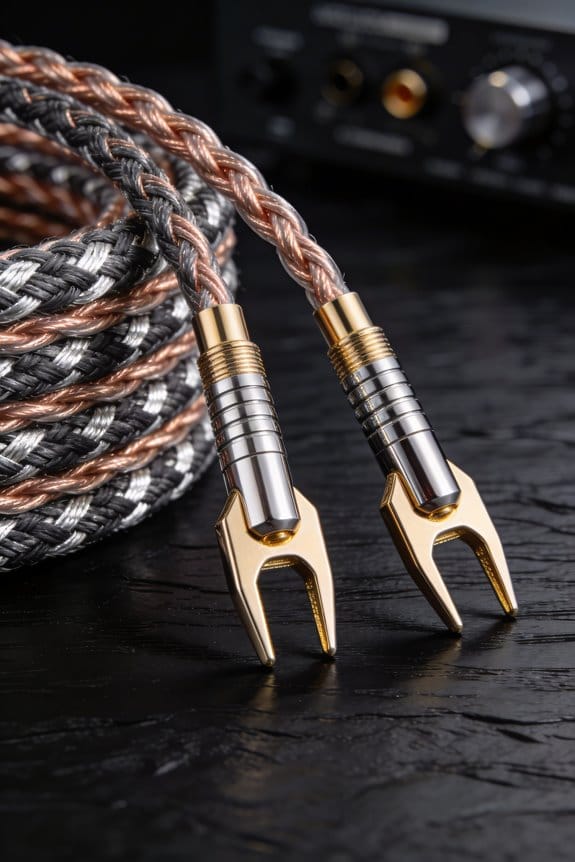
Discover why a Class D amp needs low‑resistance speaker cables to keep hiss low and power high—shorten runs, use thicker wire, and hear the difference. Learn more now.

Discover why a Class D amp needs low‑resistance speaker cables to keep hiss low and power high—shorten runs, use thicker wire, and hear the difference. Learn more now.

Learn how to pick the right PA cable for high‑wattage speakers—simple calculations, gauge tips, and connector advice. Get the guide now!

Learn how high‑voltage audio peaks can damage speakers and how a simple RC snubber plus low‑inductance cable cuts ringing and protects your drivers—try it now.

Learn how speaker wire resistance drags down damping factor and makes bass sound mushy—keep runs short or use thicker gauge for tight sound. Click to see the simple calculation.

Discover how speaker cable gauge and length affect tone and amp stability—learn quick fixes for tighter bass and smoother highs. Read more now!

Discover how speaker‑cable resistance steals power and how thicker gauge or 70‑V systems keep your sound punchy. Learn the simple sizing tricks now.

Discover why high‑current audio systems expose weak cable links and how the right gauge, dielectric, and grounding keep your bass tight. Learn the fix now.

Discover how bi‑wiring and bi‑amping affect your speakers—tighter highs, deeper bass, and more headroom. Learn the differences and upgrade your sound today.

Learn why thin speaker cables can overheat your amp and ruin sound, then pick the right gauge for any setup—click to protect your gear!

Discover why 4‑Ω speakers need special wiring, how to keep amps cool and avoid trips, and the best setup tips—read on and get wiring right today.