


I’m telling you why UL‑listed CL2 or CL3 speaker cable, rated 90 °C and up to 150 V (CL2) or 300 V (CL3), is a must: the jacket won’t melt or spread flame, the NEC 725 and 640 rules require it for any in‑wall run, and the 90 °C rating keeps the insulation intact even when the wall cavity heats up to 80 °C. Using a plenum‑rated FPM jacket in air‑handling spaces cuts smoke and toxic fumes, while a plain PVC jacket is fine in typical residential walls. Keep the wire at 16 AWG or larger, seal all fire‑stop holes with two‑hour material, and you’ll avoid a ticking fire bomb. Follow the conduit and sealing steps, and you’ll stay code‑compliant and safe—more details await if you keep going.
Key Takeaways
- Use UL‑listed CL2 or CL3 cable (rated 90 °C) in any wall cavity to meet NEC Article 725/640 fire‑stop requirements.
- Match jacket type to the space: PVC for residential walls, plenum‑rated (FPM/CMP) for air‑handling cavities, and UL‑rated for commercial risers.
- Seal all penetrations in fire‑rated assemblies with two‑hour fire‑rated material and ensure conduit caps are fire‑rated.
- Maintain a minimum wire size of 16 AWG (12 AWG for runs > 50 ft) and avoid splices unless using listed connectors.
- Perform regular visual inspections and confirm fire‑stop sealant integrity to prevent melted jackets and fire spread.
Why You Should Care About CL2/CL3 Ratings for In‑Wall Speaker Cable
Ever tried running speaker wire through a wall and wondered if you’re doing it right? The truth is, the CL2 or CL3 rating isn’t just a label—it’s a safety net that keeps your house from turning into a fire‑trap. A CL2 cable is tested to handle up to 150 V and a CL3 up to 300 V without melting, so the jacket won’t ignite or spread flames if a short occurs.
That same jacket also resists heat and abrasion long enough to survive the tight spaces behind studs. You’ll avoid costly insurance voids and the nasty toxic fumes that ordinary speaker wire would spew into a plenum. Plus, the rating guarantees the cable meets NEC Article 725 and 640, so you stay on the right side of the code while still getting clear, distortion‑free sound.
Fair warning: using the wrong wire can lead to health hazards from burning plastics. The fire‑retardant PVC in CL2/CL3 won’t release cyanide or carbon monoxide, keeping your family safe and your policy intact.
Worth knowing:
- CL2 handles up to 150 V, CL3 up to 300 V.
- Both meet NEC Article 725 and 640.
- The jacket resists heat, abrasion, and flame spread.
If you’re wiring speakers inside a wall, you’ll want a cable that can survive the heat and stay intact. The fire‑retardant jacket not only protects the wire but also prevents toxic fumes from filling your home. That means you won’t have to worry about insurance issues or dangerous smoke if something goes wrong.

Honestly, I’ve learned that using CL2/CL3 eliminates health hazards, cuts insurance risks, and gives me peace of mind when a wall gets hot. The jacket’s fire‑retardant PVC won’t release cyanide or carbon monoxide, keeping my family safe and my policy intact.
Recommended Products
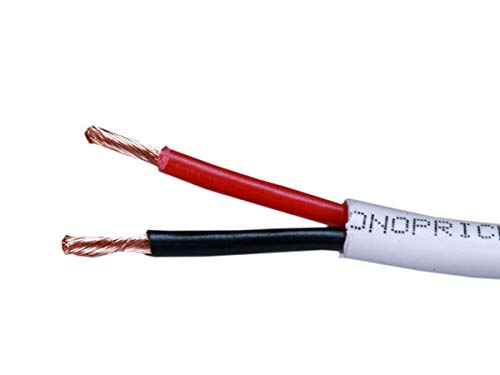
Lifetime Warranty on ALL Cables: With Monoprice's Lifetime Warranty you can rest assured we stand behind our products and our customers.

Multiple Applications: Wiring Fire Alarm, Security Burglar Alarm, Public Address Systems, Intercoms, Telephone Stations, Communications, Instrumentation, Access Control, Nurse Call, Security, LED Dimming Control and Other Low Voltage Circuits that are Power-Limited Applications.

FOR INDOOR/OUTDOOR USE: Heavy-duty four-conductor 14-gauge UL-rated and UV-resistant speaker cable for direct burial outside or in-wall installations

As an affiliate, we earn on qualifying purchases.
NEC 725 & 640 Rules for In‑Wall Speaker Cable Installation

Ever tried to hide speaker wire behind a wall and then wondered if you’re breaking any rules? The NEC actually splits the rules into Articles 725 and 640, and the difference between Class 2 and Class 3 circuits decides whether you can tuck the cable into a stud cavity or you must put it in a raceway.
Article 725 lets you run CL2 or CL3 cable in residential risers up to three feet, but if you’re in a commercial building and the riser is taller than a foot, you’ll need metal conduit. That metal pipe stops fire from jumping from one floor to the next.
Article 640 treats low‑voltage interconnects a lot the same way. You can use PVC‑jacketed cable inside a wall, but any hole you make in a fire‑rated assembly has to be sealed with a two‑hour fire‑rating material.
Frankly, the easiest way to stay on the right side of the code is to label every run, keep the wire size at 16 AWG or larger, and avoid splicing unless you use a listed connector. If you skip those steps, you could end up with a code violation and even an insurance denial.
Here’s the trick:
- Use metal conduit for any commercial riser longer than 12 inches.
- Seal every wall penetration with a 2‑hour fire‑rated sealant.
In practice, you’ll find that these steps keep the job safe and legal without adding a lot of hassle. You’ll also avoid the headache of having to redo the work later if an inspector spots a problem.

If you’re wiring a home theater or a multi‑room audio system, remember that the NEC doesn’t care how fancy your setup is—just that the wiring follows the right class and fire‑rating rules.
Worth knowing: the code’s main goal is to stop fire from spreading, so any material that can help with that is a win.
Next time you pull speaker cable through a wall, double‑check the class rating and the fire‑rating of any openings. It’s a small step that can save you a big headache down the road.
Got any other code questions? Feel free to share what you’ve learned.
Pick PVC, Plenum, or UL Jackets for In‑Wall Speaker Cable

Ever tried to pick the right jacket for your in‑wall speaker cable and felt stuck? You’ve probably seen PVC, plenum, and UL‑rated options and wonder which one really fits your home or office.
Recommended Products


TRUSTED BY INSTALLERS NATIONWIDE: UL-listed & certified, this 22 AWG wire is ideal for smooth installs in homes and buildings. Ready for wall runs, ceilings, and panel setups. Abides by National Electric Code Article 800.

Multiple Applications: Wiring Fire Alarm, Security Burglar Alarm, Public Address Systems, Intercoms, Telephone Stations, Communications, Instrumentation, Access Control, Nurse Call, Security and Other Low Voltage Circuits that are Power-Limited Applications
PVC Jackets
PVC is cheap and easy to work with. It handles up to 80 °C (176 °F) and is fine for most residential walls where a 2‑hour fire‑rated barrier isn’t needed. The downside? If it burns, it throws out toxic fumes, so you’ll want a 2‑hour fire‑rated sealant around any holes.
Plenum‑Rated Jackets
Look for “FPM” or “CMP” on the sheath. These survive up to 93 °C (200 °F) and give off low‑smoke, low‑toxicity gases. That makes them a must‑have in any air‑handling space or a cavity that feeds a ventilation system. In a fire, you won’t have to worry about a smoky hallway.
UL‑Rated Jackets (CL2/CL3)
These combine a 90 °C (194 °F) rating with a flame‑spread index that meets NEC Article 725 and 640. They’re tougher against abrasion and heat buildup at junctions, so they’re the safest pick for commercial risers or any wall that could become a fire conduit—though they cost a bit more.
Fair warning: cost isn’t the only factor. Code demands, fire safety, and the type of space you’re working in matter a lot.
Try this: match the jacket to the environment, not the price tag. For most homes, PVC works fine, but any vented space calls for plenum‑rated cable. If you’re wiring a commercial riser, go with UL‑rated.
When I compare PVC vs. plenum, I look at cost, code demands, and fumes. Most homes get by with PVC, but if you have a vented cavity, plenum wins.
Step‑by‑Step In‑Wall Speaker Cable Installation in Residential Riser Paths

Ever tried to hide speaker wires without turning your home into a maze of open conduit? The trick is to start at the main riser shaft that runs from the basement or utility room up to each floor—this is where the code‑approved path for in‑wall speaker cable lives. A 2‑inch PVC or metal conduit, marked “CL2/CL3 allowed,” keeps the wire safe from heat and damage, and a 12‑gauge CL2 cable inside it will hold up over a 150‑foot run while staying under the NEC’s 30‑amp limit for Class 2 circuits.
First, pull the cable through the hidden conduit, making sure the sheath stays snug against the studs. Then, drop it into the attic routing and use a fish tape to guide it past the joists without kinking. Secure the cable with staples every 4 feet, but avoid compressing the sheath. Label each end so you’ll know which speaker it belongs to later.
Worth knowing:
- Use a fire‑rated cap on the conduit end to keep the finish clean and safe.
- Check continuity with a multimeter; you want no shorts before you finish.
When you’re done, give the whole run a quick visual check. Make sure everything is tight, the staples are spaced right, and the conduit is sealed. A tidy job not only looks good, it also meets safety codes and saves you headaches down the road.
Frankly, a little patience now saves a ton of hassle later. Have you ever tried this method in your own house? Give it a try and see how smooth the process can be.
Recommended Products


14AWG, 4 CONDUCTORS, BLACK JACKET, 500FT BOX. Premium 14 gauge speaker cable, featuring 105 strand Oxygen-Free Copper conductors and a super-luxe outer jacket. Built to exacting standards with zero compromises.
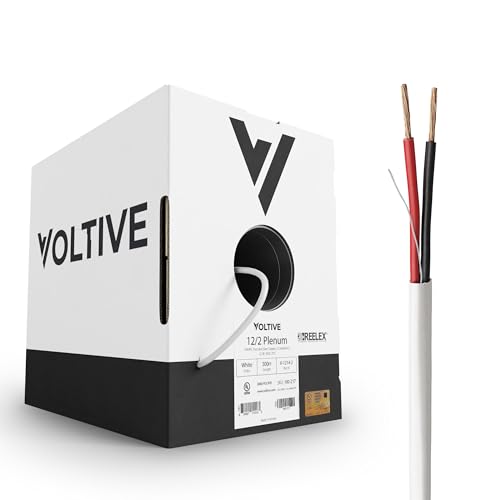
12AWG, 2 CONDUCTORS, WHITE JACKET, 500FT BOX. 12 gauge speaker cable, featuring 65 strand Oxygen-Free Copper conductors. Built to exacting standards with zero compromises.
Typical Non‑Rated Wire Mistakes & How to Prevent Them

Ever tried to finish a home‑theater install and then realize the speaker wire you used isn’t actually safe for walls? It’s a common slip‑up that can turn a neat project into a fire hazard.
After you’ve run the conduit and pulled the CL2/CL3 cable through, the temptation to grab any old‑school speaker wire is strong. Those cheap 16‑gauge “home‑theater” cords you find at discount stores look fine, but their PVC jacket starts to melt around 80 °C. That can turn the wire into a fire‑spreading fuse in minutes.
Frankly, the real danger shows up when you staple or punch‑through the wire without care. A crushed jacket creates hot spots that can ignite drywall fast. To keep things safe, pick CL2 or CL3 cable with a 90 °C rating and space your staples 4‑6 in. apart. Never force a cable through a metal bushing unless you’ve got a proper grommet in place.
Worth knowing: gauge matters, too. For runs longer than 50 ft, go with 12‑gauge wire to avoid voltage drop and overheating. This simple step helps keep your sound clean and your walls intact.
Try this: double‑check each connection before you seal the wall. A quick visual inspection can catch a pinched jacket or a missing grommet before it becomes a problem.
If you follow these tips, you’ll finish your project with confidence, knowing the wiring won’t let you down. Ready to give your install the safety upgrade it deserves?
Recommended Products

18AWG, 4 CONDUCTORS, SHIELDED, WHITE JACKET, 500FT BOX. 18 gauge, 4 conductor low voltage wire with overall foil shield & drain wire, stranded bare copper conductors, and nylon ripcord. Built to exacting standards with zero compromises.

✅ Nakamichi Corporation Ltd. founded in 1948 by Mr. Etsuro Nakamichi, is a Japanese consumer electronics brand that originated in Japan and gained popularity from 1970s onwards from producing high quality audio cassette decks to design-oriented home cinema audio systems, speakers, Hi-Fi systems, sound bars and automotive stereo products.
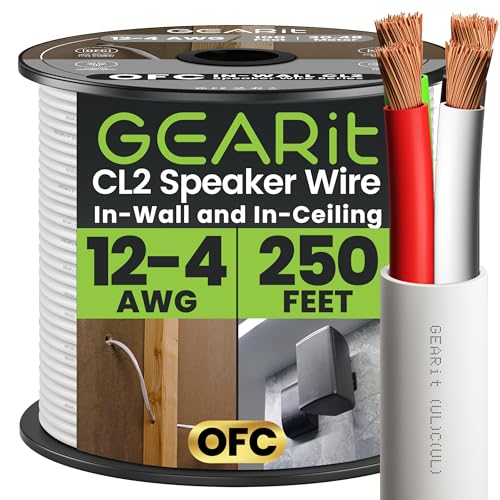
PREMIUM OXYGEN FREE COPPER (OFC) 4-CONDUCTOR WIRE - Use this Pro Series 12 gauge speaker wire that's build with high strand count, 4 conductors with color-coded PVC for easy polarity identification for your bi-wiring or bi-amping projects.
Inspect In‑Wall Speaker Cable for Code Compliance & Ongoing Fire Safety
Ever pulled back drywall and wondered if the speaker wire behind it could start a fire? You’ll spot the problem fast if you know what to look for. A CL2 or CL3 jacket rated for 90 °C keeps the insulation from melting, even when a hot spot shows up. A plain PVC cord that softens at 80 °C can turn a simple connection into a fuse that spreads fire through the wall cavity.
First, check the label. The printed CL rating and temperature limit should be obvious. Then shine a flashlight along the run and look for nicks, crushed sections, or missing fire‑stop sealant. If you see any of those, the cable isn’t doing its job.
Annual inspections are worth the effort. They let you confirm the jacket still adheres, the conduit isn’t corroded, and the cable hasn’t shifted into a heat‑producing junction box. A quick visual check can save you a lot of trouble later on.
Fair warning: a mismatch between the cable rating and the wall’s fire‑stop can be a ticking time bomb. Replace any non‑rated PVC cord with a UL‑listed CL2 or CL3. Proper code compliance means the wall stays intact and the fire stays out.
Worth knowing: when you replace the wire, make sure the new cable is the same length and follows the same path. This avoids extra bends that could stress the jacket.
If you keep these steps in mind, you’ll feel confident that your in‑wall speaker cable is safe and up to code. Ready to give your walls a quick check?
Recommended Products

FOR INDOOR/OUTDOOR USE: Heavy-duty two-conductor 12-gauge UL-rated and UV-resistant speaker cable for direct burial outside or in-wall installations

Lifetime Warranty on ALL Cables: With Monoprice's Lifetime Warranty you can rest assured we stand behind our products and our customers.
Lifetime Warranty on ALL Cables: With Monoprice's Lifetime Warranty you can rest assured we stand behind our products and our customers.
Frequently Asked Questions
Can I Use CL2 Cable for Outdoor Speaker Installations?
I wouldn’t recommend CL2 outdoors; it lacks UV protection and isn’t rated for weatherproof connectors. Use a cable specifically rated for outdoor use, with UV‑stable jackets and sealed, weather‑proof connections.
Do CL3X Cables Require a Metal Conduit in Commercial Buildings?
Like a shield, I tell you CL3X cables do need metal conduit in commercial buildings, plus firestopping materials at each penetration, ensuring code compliance and preventing fire spread throughout the structure.
What Is the Maximum Voltage Rating for a Cl2‑Rated Speaker Line?
I’ll tell you the maximum voltage for a CL2‑rated speaker line is 150 V, and its insulation breakdown rating is designed to handle that level safely in concealed installations.
Can I Replace a Damaged In‑Wall Speaker Cable With Standard Romex?
I wouldn’t swap a damaged in‑wall speaker cable for standard Romex; the electrical code requires CL‑rated wire, and using Romex would cause signal loss and violate fire‑safety regulations.
How Often Should I Inspect In‑Wall Speaker Cables for Fire Safety?
I still check them yearly—annual inspections, visual checks keep fire risk low, so I spot insulation wear or heat damage before it spreads, ensuring safety without costly surprises.


